
Common Mistakes When Designing a Cafe Loyalty Program
By MenulabFebruary 27, 2026
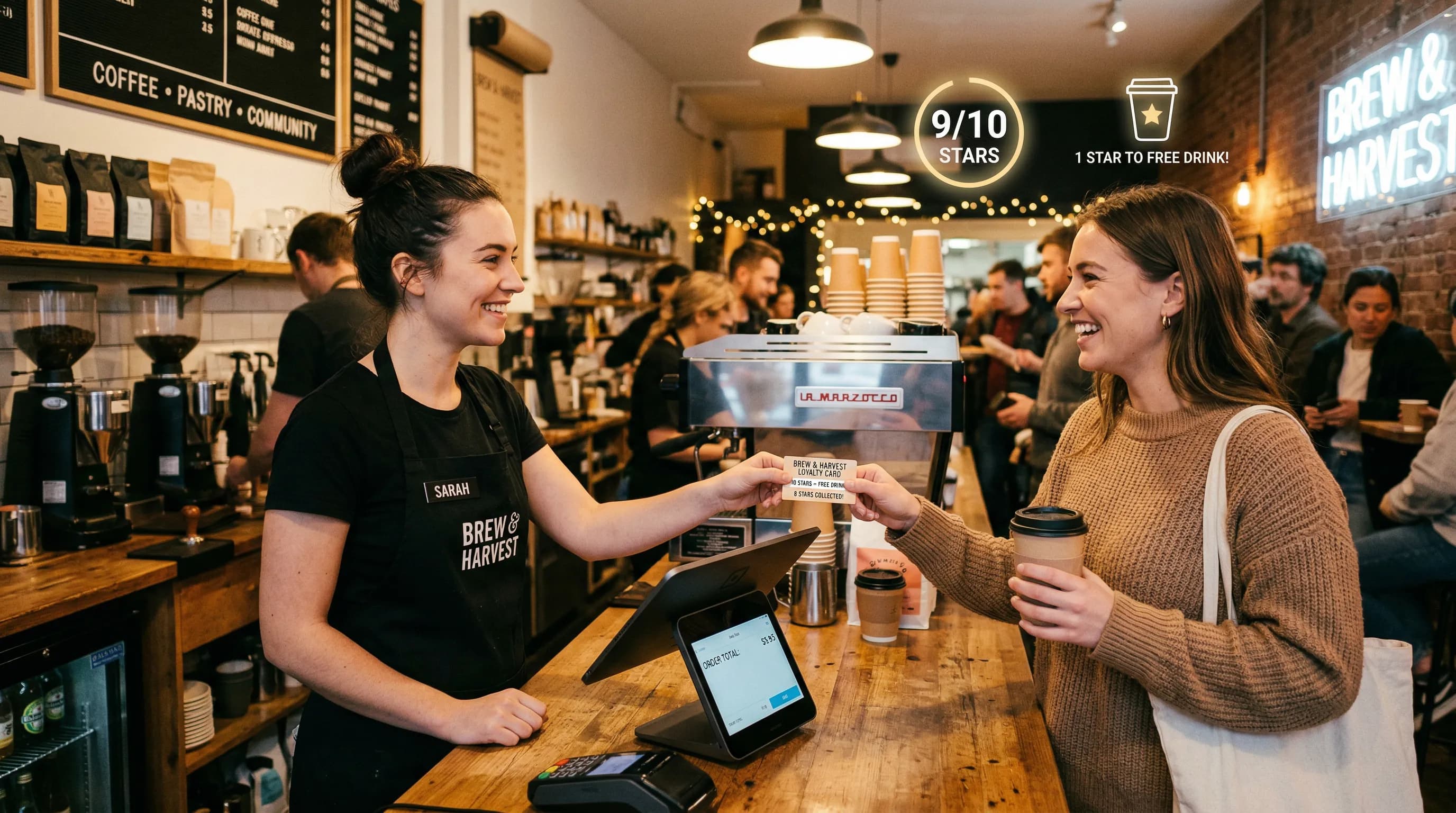
Why loyalty design matters for cafes
A loyalty program that boosts repeat visits directly affects revenue, labor planning, and inventory turnover. Small design choices change customer behavior, so focus on mechanics that reward frequency rather than one-off discounts.
Five common mistakes that reduce revisit rate
- Reward thresholds are too high. If customers need months to earn a reward they stop trying.
- Rewards feel irrelevant. A pastry coupon is wasted on a customer who visits only for takeout coffee.
- Sign-up friction at the counter. Slow processes at the POS kill enthusiasm and staff compliance.
- Rewards cannibalize full-price sales. Too many blanket discounts train customers to wait for rewards.
- Poor measurement. Without tracking visits per member you cannot tell which rewards drive frequency.
How to fix design with concrete examples
Change program mechanics to reward return frequency, not one large spend. Use these specific adjustments and run a two-week test to measure impact.
Set achievable points and quick wins
Example: award 1 point per dollar spent and make 20 points redeemable for a free espresso. Customers see progress after two or three visits. Combine that with an auto-reward at 5 points, such as a free drink size upgrade, to reinforce early behavior.
Match rewards to visit type
Create two reward tracks: on-premise and grab-and-go. For on-premise, offer a free pastry after five sit-down visits. For grab-and-go, offer a 10% off next purchase after three visits. This reduces wasted rewards and increases perceived value.
Simplify signup and redemption at the POS
Integrate loyalty into the POS so staff add a phone number or scan a QR code in under 10 seconds. If integration is not immediately possible, use pre-printed loyalty cards and a fast manual code entry, with a clear 3-step cheat sheet at each terminal.
Protect margins with conditional rewards
Instead of flat discounts, offer conditional rewards that require visit frequency or minimum purchase. For example, a free pastry with a drink purchase prevents margin erosion and keeps the ticket value up.
Operational checklist for launch and testing
- Define desired behavior: increase weekly visits per active member by X percent.
- Choose measurable KPIs: visits per member, redemption rate, incremental spend.
- Train staff with a 10-minute role play covering signups and redemptions.
- Run a 4-week pilot at one location and compare KPIs to a control site.
- Adjust rewards based on pilot results and scale in 2-week phases.
Practical tech and data tips
Point-of-sale integration is key. Use your POS vendor API or a middleware tool to sync member IDs, visit timestamps, and spend. If you capture emails, run simple segmentation: high-frequency low-ticket customers, and low-frequency high-ticket customers. Target each with tailored rewards.
Example segmentation actions
Offer a midweek double-points day to high-frequency customers to smooth weekday traffic. For infrequent high-ticket customers, offer a targeted incentive that requires two visits in 21 days to qualify for a 15% voucher.
Staffing and training that keep the program running
Make loyalty part of opening checklists. Each shift lead should confirm that the QR codes are visible, redemption scripts are on the counter, and the top three loyalty KPIs are in the daily log. Tie a small monthly bonus to accurate loyalty data entry rather than raw signups.
How to measure success and avoid false positives
Look beyond signups. Important metrics are active members, visits per active member, and incremental revenue per campaign. When a promotion spikes redemptions but not visits per member, it likely shifted timing rather than created new visits.
Quick fixes you can apply this week
- Lower the first reward threshold to create a visible win within 2 visits.
- Add a context-based reward to prevent irrelevant redemptions.
- Implement a one-page POS cheat sheet for staff.
- Run a single-location pilot and compare with a control site.
Ready to optimize your cafe loyalty program? Start with a two-week pilot using the checklist above, track visits per active member, and brief your team for one quick role play before launch. If you want, I can provide a printable pilot checklist and a templated 4-week test plan that your manager can use on shift.
Frequently Asked Questions
How quickly should customers be able to earn a reward?
Design the first tangible reward so that typical customers can reach it within two to four visits. Quick wins build momentum and increase the chance of repeat visits.
Will a loyalty program reduce full-price sales?
It can if poorly structured. Use conditional rewards that require a minimum purchase or a visit frequency target to protect average ticket value.
What metrics show a loyalty program is working?
Track active members, visits per active member, redemption rate, and incremental spend compared to non-members. Focus on visits per active member for repeat behavior.
How do I get staff to consistently enroll customers?
Keep the signup process under 10 seconds, place simple scripts at the POS, run short role plays, and tie a small operational bonus to accurate loyalty data entry.