
Peanut-Butter Banana Oat Breakfast Cookies: Batch Recipe and Grab-and-Go Costing for Cafes
By MenulabFebruary 27, 2026
✦ Recipe Card
Dessert • International
Prep
15 minutes
Cook
12 minutes
Total
27 minutes
Servings
36 cookies
Ingredients
- Rolled oats 720 g (about 8 cups)
- Ripe bananas 6 medium, mashed (about 720 g)
- Creamy peanut butter 480 g (about 2 cups)
- Eggs 3 large
- Maple syrup 120 ml (1/2 cup) or honey
- Vanilla extract 2 tsp
- Baking soda 1 tsp
- Fine salt 1/2 tsp
- Dark chocolate chips or raisins 170 g (optional)
Steps
- 1Preheat oven to 175 C (350 F): Preheat oven to 175 C (350 F). Line sheet pans with silicone mats or parchment.
- 2In a large bowl combine mashed bananas, peanut butter, eggs,…: In a large bowl combine mashed bananas, peanut butter, eggs, maple syrup, and vanilla. Mix until smooth.
- 3Add rolled oats, baking soda, and salt: Add rolled oats, baking soda, and salt. Fold until evenly hydrated. Fold in chocolate chips or raisins if using.
- 4Portion batter with a 60 g scoop onto lined pans, leaving space…: Portion batter with a 60 g scoop onto lined pans, leaving space between cookies. Flatten slightly for even bake.
- 5Bake 10 to 12 minutes until edges are lightly golden and tops…: Bake 10 to 12 minutes until edges are lightly golden and tops are set. Cool on racks before packaging.
Calories
190 kcal
Protein
6 g
Carbs
20 g
Fat
10 g
Tips
- →Weigh ingredients for consistent texture and cost control across shifts.
- →Test and record average cookie weight after cooling to lock portion sizes.
- →Flash-freeze cookies on trays before bagging to prevent sticking when freezing.
- →Adjust oats by 30 to 60 g if dough is too wet or cookies spread too much.
- →Label packages with reheating instructions, allergen information, and bake date.
Why serve these cookies at your cafe
Peanut-butter banana oat cookies fit multiple breakfast needs. They are familiar, allergen-manageable with labeling, shelf-stable enough for morning service, and simple to portion and package for high-turnover displays. This guide gives a production-ready batch, concrete costing, testing steps to dial portion size, and packing suggestions that reduce waste and speed service.
Batch recipe for cafes (yields 36 grab-and-go cookies)
Key outcomes
Yield: 36 cookies. Target portion weight: 55 to 65 grams per cookie depending on desired size. Bake time and finish are tuned for a slightly moist interior that reheats well under a short blast of heat.
Ingredients
Use measured weights for consistent results in a commercial kitchen.
Rolled oats 720 g (about 8 cups)
Ripe bananas 6 medium, mashed (about 720 g)
Creamy peanut butter 480 g (about 2 cups)
Eggs 3 large
Maple syrup 120 ml (1/2 cup) or honey
Vanilla extract 2 tsp
Baking soda 1 tsp, fine salt 1/2 tsp
Dark chocolate chips or raisins 170 g (optional)
Method
1. Preheat oven to 175 C (350 F). Line sheet pans with silicone mats or parchment.
2. In a large mixer bowl combine mashed bananas, peanut butter, eggs, maple syrup, and vanilla. Mix until smooth.
3. Add rolled oats, baking soda, and salt. Fold until evenly hydrated. Mix in chocolate chips if using.
4. Portion using a 60 g scoop to the lined pans, spacing 2.5 to 3 cm apart. Flatten slightly for even baking.
5. Bake 10 to 12 minutes. Cookies should be lightly golden at edges and set on top but still tender. Cool on racks to finish cook through.
Portion control and yield testing
Target a consistent portion to price accurately and control food cost. Test a small run and weigh 10 cookies to confirm average weight.
- Make a test batch of 12 to 24 cookies and weigh each.
- Record oven time and final internal texture at target weight.
- Adjust scoop size if average weight is off target by more than 5%.
- Note cooling loss weight and include it in portion planning.
- Repeat after any ingredient supplier change, especially for peanut butter consistency.
Worked costing example and pricing guidance
Use your vendor prices to replace these sample numbers. Example batch ingredient costs:
Rolled oats 720 g at $2.00 per kg = $1.44
Bananas 6 at $0.60 each = $3.60
Peanut butter 480 g at $4.00 per kg = $1.92
Eggs 3 at $2.50 per dozen = $0.63
Maple syrup 120 ml at $8.00 per liter = $0.96
Chocolate chips 170 g at $4.00 per kg = $0.68
Minor ingredients and packaging per batch = $0.20
Total ingredient cost per batch = $9.43. Cost per cookie = $9.43 / 36 = $0.26.
Next add labor and overhead per cookie. Example: 30 minutes of labor at $18 per hour for the batch equals $9.00, so labor per cookie $0.25. Facility and utilities add roughly $0.05 per cookie. Total cost per cookie approximately $0.56.
Apply a markup for target food cost percentage. For quick grab-and-go items aim for 25% to 35% food cost. At 30% target food cost price = total cost / 0.30. Example price = $0.56 / 0.30 = $1.87. Adjust to local market and presentation. Typical retail range $1.50 to $2.50.
Shelf life and storage
Room temperature display: up to 24 hours in airtight containers. Refrigeration: up to 4 days wrapped individually or in sealed bins. Freezing: up to 2 months. For best quality, partially cool then flash-freeze on trays before packing to prevent sticking.
Packaging and merchandising tips
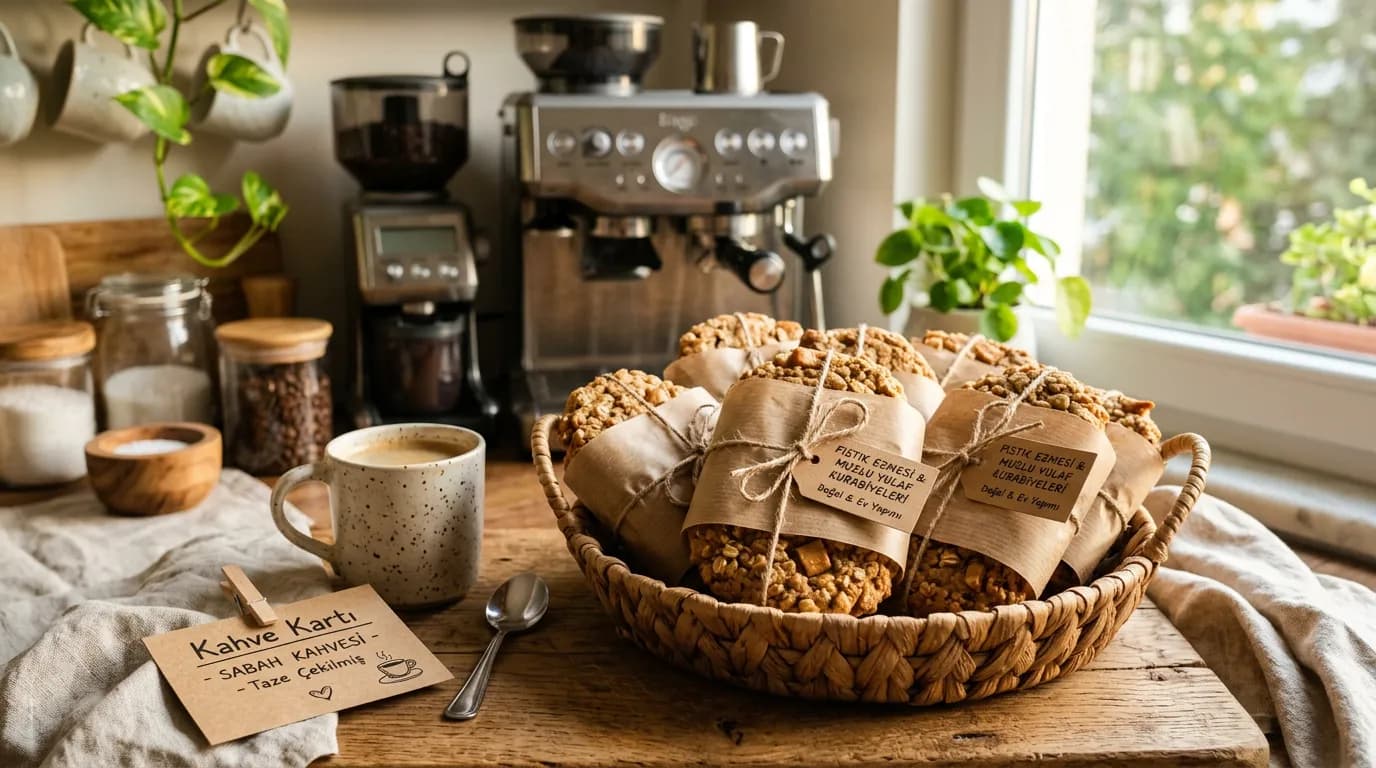
- Use clear, compostable clamshells or kraft window bags with a sticker for branding and allergen callouts.
- Label with bake date, reheating instructions, and temperature recommendations such as 30 to 60 seconds in a microwave or 3 minutes in a 165 C toaster oven.
- Stock display at eye level near the coffee station to increase impulse purchases.
- Bundle with a coffee for a set price to increase average ticket size.
- Rotate stock using first-in, first-out and remove anything past 24 hours from the grab shelf.
Operational notes and troubleshooting
If cookies are too dry, reduce bake time by 1 to 2 minutes and check oven calibration. If they spread too much, add 30 to 60 g extra oats or chill dough for 15 minutes before baking. For allergen-free options test a sunflower butter swap and re-run yield testing because oil content differs.
Try this recipe on a quiet morning service to refine portioning, packaging, and pricing. If you want, send your ingredient costs and desired food cost percentage and we can walk through tailored pricing and a printable costing worksheet for your menu.
Frequently Asked Questions
How long do these cookies stay fresh in a grab-and-go case?
Store at room temperature for up to 24 hours in airtight packaging. Refrigerate up to 4 days. Remove from display after 24 hours to maintain quality and food safety.
Can I substitute sunflower butter for peanut butter?
Yes, but recalculate yield testing and costing. Sunflower butter can be oilier so add 30 g extra oats or chill dough briefly to prevent spreading.
What is the best portion size to sell as a breakfast item?
Aim for 55 to 65 g per cookie for a satisfying single-serve breakfast. Use a 60 g scoop during production for consistent costing and presentation.
How should I price the cookies to hit target food cost?
Calculate total cost per cookie including ingredients, labor, and overhead. Divide that cost by your target food cost percentage. For example, at 30% target food cost, price = total cost / 0.30.
Can I make this recipe gluten-free?
Yes. Use certified gluten-free rolled oats and verify that other ingredients are certified gluten-free to prevent cross-contact.
What reheating instructions should go on the label?
Recommend a short reheat: 30 to 60 seconds in a microwave or 3 minutes in a 165 C toaster oven. Note that reheating times vary by equipment.