
Preparing for Match-Day Crowds: Menu, Seating, and Staff Checklist
By MenulabFebruary 27, 2026
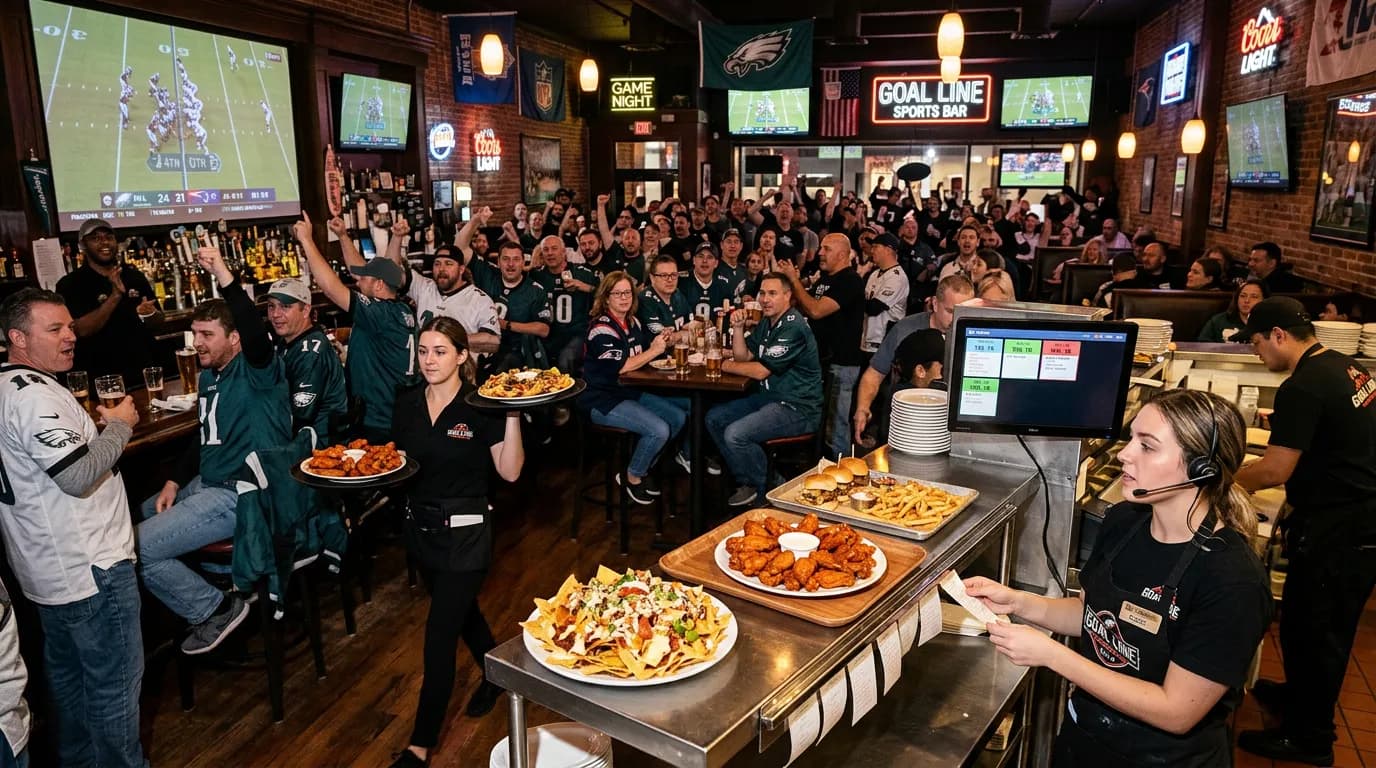
Why a match-night playbook matters
Big-game evenings create surges that break normal service rhythms. A focused plan reduces chaos, protects food quality, and increases covers per hour. This article gives specific steps you can implement the next game night.
Pre-shift timeline and staffing windows
Typical timeline (example for an 8:00 pm kickoff)
Open 3 hours before kickoff. Use that window for last-minute prep and systems checks. Stagger station briefings so line cooks, bar staff, and servers finish warm-up tasks at set times.
Sample checkpoints
Four hours prior: finalize limited-run menu and print ticket modifiers. Three hours: complete batch sauces, portion proteins, blast-chill anything that needs quick finish. One hour: full POS test and ticket routing, assign floor zones. Thirty minutes before doors: team huddle and radio checks.
Pre-shift checklist for game night
- Confirm staffing by station with backups assigned
- Pre-portion high-volume items and label with cook times
- Program POS combos and modifier shortcuts for shareables
- Set bar batching volumes and pre-fill garnish trays
- Designate an expo and a floor captain for the night
Designing a limited-run shareable menu
Keep the list tight. Limit to 4 to 6 shareable items that cross-utilize proteins, sauces, and fries. Each item should have a 10 minute or less finish time on the line.
Menu examples with prep notes
Rotating nacho tray: Use one fried chip base, two protein options (pulled pork and black beans), and a single queso batch. Finish time 6 minutes. Portion on two sizes: small 2-3 people, large 4-6 people.
Skewer board: Fire-roast skewers ahead and hold under heat lamps. Offer 3-4 skewers per share plate with two dipping sauces made from the same base.
Loaded fries: Par-cook fries and hold in heated wells. Combo build at pass using one garnish line: cheese, pickles, herb oil. One station can plate 6-8 orders in the same time it takes to make 2 new items.
Bar workflow and speed service
Set the bar up for throughput
Batch high-volume cocktails into 1 liter jugs labeled with alcohol by volume and serve over ice. Limit the cocktail menu to 3 fast options plus two beers on tap for quick pours.
POS routing and batching
Program the POS to send shareable food to a single expo printer and to route drinks to the bar station. Use a visible kitchen board or tickets with ETA so runners know priority items. Staff the bar with one lead and one support per eight taps or per five cocktail lines.
Seating plans and crowd flow
Pods and buffer zones
Create pre-assigned pods that group 4 to 8 seats. Assign a server to 2 pods during peak flows. Reserve a 25 percent buffer of seats for walk-ins or late arrivals to avoid blocking circulation.
Entry and exit choreography
Direct lines with stanchions or floor markers. Keep a clear path 90 cm to 120 cm wide for runners from pass to farthest table. Place a host stand near the entrance to seat groups quickly and to prevent clustering at the door.
Pre-assigned roles and staffing ratios
Define roles with one-sentence responsibilities so every team member knows the primary function for the night.
Role examples and ratios
Floor captain: monitors throughput, handles escalations, and reassigns staff in real time. Expo: inspects tickets and calls food to runners. Runner: delivers and clears plates for 2 to 3 servers. Server: 12 to 15 active covers during peak depending on venue layout. Bar lead: mixes/oversees cocktails, manages speed rail and batching.
Throughput KPIs to track live
- Time to first drink target: 3 minutes from order
- Food ticket time target: 8 to 12 minutes for shareables
- Covers per hour per server: 12 to 20 depending on seating model
- Table turnover window: aim for 60 to 90 minutes for majority of covers
Equipment and setup checklist
Check heat lamps, hot-holding wells, and two-line ticket printers. Stage extra plates near the pass and stock napkins and condiments at each server station in labeled bins for quick replenishment.
On-the-night communications and adjustments
Use short radio call codes for common needs: fire, tickets, bar help, and host. Have the floor captain run a 15 minute quick review mid-game to rebalance staff and freeze any nonessential tasks that could slow throughput.
Measure one or two KPIs every 30 minutes and make micro adjustments. If ticket times creep above targets, remove one nonessential menu item or redirect a support cook to the pass.
If you want a printable, step-by-step checklist and a sample POS mapping file for game nights, contact our operations team and we will email a ready-to-use template tailored to your layout.
Frequently Asked Questions
How many servers should I schedule for a typical 100-person crowd?
Aim for 7 to 9 servers, which equates to roughly 12 to 15 covers per server. Add 1 to 2 runners and a floor captain to keep tickets moving.
What are the fastest menu items to prepare for a match night?
Shareables that use pre-cooked proteins and single-step finishing work best. Examples: loaded fries, nacho trays with pre-made queso, and skewers held under heat lamps.
How do I prevent bar bottlenecks during halftime?
Pre-batch popular cocktails, limit cocktail menu to three quick options, add a temporary pour station, and route beer-only orders directly to a dedicated pourer.
Which KPIs should I monitor in real time?
Track time to first drink, food ticket time, covers per hour per server, and table turnover. Review every 30 minutes and adjust staffing or menu cadence if targets slip.